
Water Water Everywhere…
By David Feder, Registered Dietitian
Too many of us are missing out on an important nutrient. It’s not a food. It’s not a vitamin or mineral. But without it, vitamins and minerals – in fact, all the elements of food and nutrition – can’t do their work.
This overlooked nutrient is readily available, often free, and easy to take. The powerful player here is water, and most of us aren’t drinking the eight 8-ounce glasses recommended daily for good health.
Not all liquids are created equal, and not all liquids are water. The average healthy adult should drink the equivalent of about two quarts of this most important liquid asset every day, or about 1 quart for every 1000 calories- worth of food.
Although water is in all beverages, and in all foods, too, it is most beneficial to your body’s thirst cells when consumed without embellishment. To put it simply: Nothing beats a swig of plain, old-fashioned, crystal-clear drinking water, whether it’s straight from the tap or bottled (see “A Bottle in Front of Me”).
It’s easy to draw water into your busy workday. Just follow these eight easy steps:
Seven a.m. Start your day with an 8-ounce glass of water. Your body’s cells need water to provide structure, and the fluid cushions your organs, acting as a shock absorber to help minimize day-to-day stress damage. Water is also necessary for optimum lubrication of the joints. As a reminder to start the day with water, place a glass by the sink the night before.
Ten a.m. Take a breather from your morning workload and drink 8 ounces of water. It will help flush your kidneys and rid your body of toxic substances. Water also helps your body maintain its volume of blood. When you’re dehydrated, blood volume drops and your energy level decreases.
In fact, a drop of as little as 1 percent of body-fluid volume can noticeably reduce your body’s capacity to perform its functions. A 4 percent loss decreases this capacity to nearly a third less than normal. Drinking that midmorning glass of water could help you feel just a little more energetic.
Noon. Drink 8 ounces of water with lunch. Water valances electrolytes (minerals such as sodium, chloride, and potassium), which help regulate body temperature and control blood pressure.
Two p.m. Time for another break. And another 8 ounces of water. The body needs the precious fluid to transport water-soluble vitamins and nutrients, such as protein, minerals, and the B and C vitamins.
Four p.m. Hitting the road to pick up the kids from soccer practice or to run some afternoon errands? Or are you busy wrapping things up at the office? Either way, drink 8 ounces of water in the late afternoon. Don’t wait until you feel thirsty – your body’s feeling of thirst is not a reliable indicator of dehydration.
Six p.m. When you’re settling in for the evening or getting ready for your supper, don’t forget the water. It’s time for another 8 ounces. Water is a significant source of vital ultratrace minerals, such as magnesium, cobalt, copper, and manganese.
Eight p.m. Drink another 8 ounces of water. Before you put the kids to bed, you might want to know this: Younger children have a poorly developed thirst mechanism. Make sure they’re getting sufficient fluids throughout the day, especially water with fluoride.
Ten p.m. End the day with a final 8-ounce glass of water. Water becomes more important as we age. The older you get, the less reliable your thirst mechanism is. After age 65, we start to lose our thirst “trigger” and are more susceptible to dehydration. Older persons should carefully monitor their daily fluid intake.
A BOTTLE IN FRONT OF ME
Each year Americans drink nearly 1 billion gallons of bottled water, divided among nearly 1000 brands. Some brands are pure, mineral-rich water from underground sources, but other brands are nothing more than tap water with a fancy label. To make sure you are getting what you are getting what you’re after, read the labels. They should tell you the source of the water and whether or not any minerals have been filtered out.
A common concern with tap water is pollution from chemicals or heavy metals, such as lead. These pollutants can come from farm runoff or industrial pollution. Call your water company to check if the tap water in your area is approved as safe. You may also call the Environmental Protection Agency’s Safe Drinking Water Hotline at 800-426-4791 for water information.
Houses older than five years, or in areas with soft water (which can be corrosive to pipes), may be susceptible to trace amounts of undesired metals leaching into the water. Use a purchased water filter or let the tap run for 5 to 30 seconds to flush the system before filling your glass.
In America, treated tap water is the leading source of dietary fluoride. This mineral is vital for building strong teeth and healthy bones. Consider a fluoride-added brand of water if your children drink nonfluoridated water from filtered, bottled, or well-water sources.
When More Is Better
Exercise and other activities increase water needs, especially when it’s warm and humid out. It’s best to drink a glass or two of water shortly before performing physical activity. Even if you only work out a few times per week, you’ll need to boost your water intake. Add between one and three glasses, depending on the strenuousness and duration of the activity.
Women who are pregnant or breast-feeding should add at least two extra glasses of water to the eight-glasses-per-day recommendation. This compensates for the increased body-fluid volume needed. Adequate water can also decrease symptoms associated with morning sickness.
Winter weather can dehydrate you as thoroughly as any sweltering summer day. When the furnace in your house is running full blast and winter winds blow, the air turns bone-dry, drawing the moisture out of you. Keep up your eight-glasses-per-day regimen and add an extra glass or two following outdoor activities.
Travel Advisory
Travel, especially air travel, is a desiccating experience. Whether in the air or on the road, you should drink one glass of water for every hour you travel. Remember: To avoid dehydration you should drink before you feel thirsty.
Don’t Like Plain Water? Try These Thirst-Quenching Fix-Ups
Flavor water with a little fruit juice, about ¼ cup per 8 ounces of water.
Add a slice of orange, lime, lemon, or other citrus fruit to a tall glass of ice water for a refreshing hint of flavor. Star fruit is also a fun, fruit enhancement for your ice water.
Drink hot water with a slice of lemon as a hot-beverage alternative to coffee or tea.
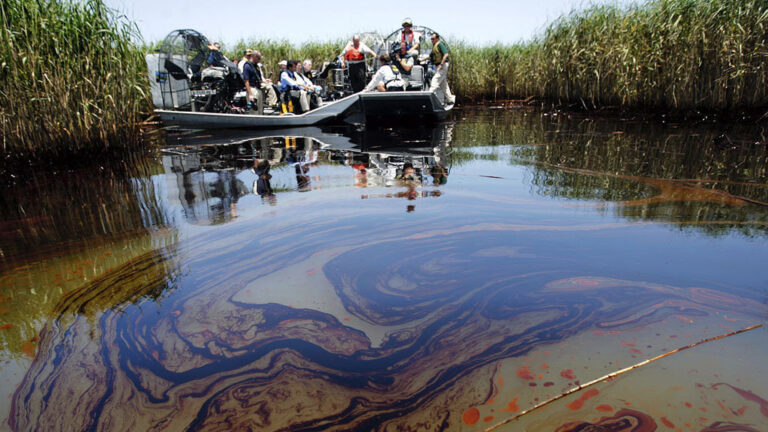

Water Analysis – Color, TSS, TDS
Color is an indication of the amounts of dissolved and suspended materials present in water. Total suspended solids (TSS) gives a measure of the turbidity of the water. Total dissolved solids gives a measure of the nutrient material dissolved in the water are indicators of productivity.

Water Analysis – Temperature
Water temperature must be taken in the field. Temperature should be sampled at various depths using a recording Celsius thermometer. Location of temperature reading also needs to be considered, edge, middle, inlet, etc.